Sea Temperature & Weather Forecast
Current forecast: October 18, 2026
Sea Temperature
GREECE, Greek islands and CYPRUS: Ideal conditions for swimming and water sports
Greece boasts not only beautiful beaches and clear waters, but also pleasantly warm seas that invite swimming from spring to autumn. The combination of water temperature, summer winds and waves creates the perfect conditions for both relaxing and active seaside holidays.
Sea temperature during the year
The sea in Greece starts to warm up in spring. In May, the water temperature reaches around 20-22 °C, which is pleasant for the more adventurous swimmers. In the high season, July and August, the water warms up to 24-27 °C, especially in the more sheltered bays and shallow areas. In September the sea remains very warm (around 25 °C) and even in October many tourists enjoy swimming in temperatures of around 22-23 °C.
Summer winds and waves
A typical summer phenomenon in the Aegean is the meltemi, a dry and relatively strong north-westerly wind that blows from June to September. It is most common in the Cyclades, but also affects other Greek islands. The meltemi brings refreshment on hot days, but can also create larger waves, especially on open coasts and less sheltered beaches.
On the west coast of Greece and the Ionian Islands, the waves are usually milder and the winds weaker, making it ideal for families with children. In the Aegean Sea, on the other hand, surfers and water sports enthusiasts will find plenty to do, especially on the Cycladic islands such as Naxos, Paros, but also Karpathos and Kos. However, if you like calm seas or are travelling with children, choose beaches on the eastern or southern coasts, which are usually sheltered from strong winds and waves by the surrounding hills.
Summary
The Greek Sea offers great swimming conditions thanks to warm, clear water most of the year. The summer meltemi brings dynamism in the form of waves and wind, which will be appreciated by athletes and those looking for refreshment during hot days. Whether you're looking for quiet coves or more action-packed beaches, you'll find something to suit you in Greece.
Cyprus
The sea around Cyprus is pleasantly warm throughout the year, with a bathing season lasting from May to November. In summer, especially in July and August, the water temperature reaches 27-28°C, making it one of the hottest bathing spots in the Mediterranean.
The summer months in Cyprus are mostly calm, with moderate winds usually blowing from the southwest or from the mainland. As a result, waves are usually low, especially on the south-east coast (around Ayia Napa and Protaras), which families with children will appreciate. In some areas, such as the south-west coast near Paphos, the waves can be stronger, especially in the afternoon.
Cyprus is ideal for relaxed swimming, snorkelling and recreational water sports in calm seas with exceptionally warm waters.
Current sea temperature with forecast
Today: October 18, 2026
Current sea temperature
Today: October 18, 2026
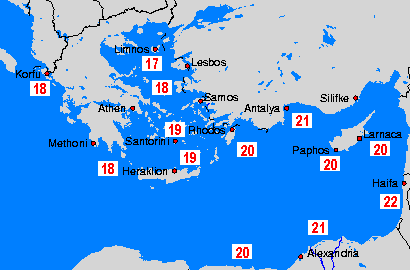
Aegean Sea
Greece and Greek islands, Cyprus, Turkey, Northern Egypt, Israel
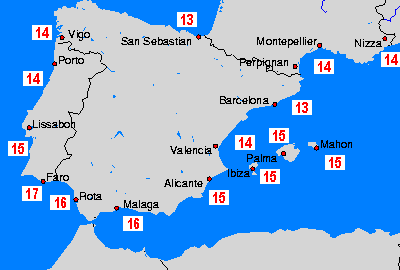
Balearic Sea
Spain, Ibiza, Mallorca, Menorca, Formentera, France, Algeria, Sardegna, Corsica
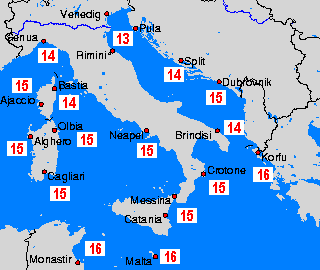
Adriatic and Tyrrhenian Sea
Ionian islands, Italy, Sardegna, Sicilia, Corsica, Croatia, Malta, Tunisia
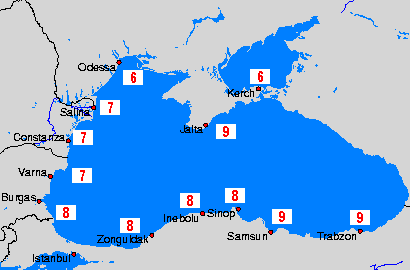
Black Sea
Bulgaria, Romania, Northern Turkey, Ukraine
Greece and Greek Islands
Cyprus
Weather Forecast for Greece and Cyprus
Current forecast: October 18, 2026
Weather Forecast
Weather in GREECE and the Greek Islands: Sun, wind and warm sea
Greece and its islands are known for their pleasant Mediterranean climate, which attracts tourists from all over the world. For most of the year, the weather in this region is sunny and warm with minimal rainfall. During the summer months, rainfall is rare, especially on the Greek islands.
Sunshine
Greece is one of the sunniest countries in Europe, with an average of around 120 days of sunshine per year. During the summer months, from June to August, you can enjoy the sun almost every day, with more than 12 hours of sunshine a day.
Summer wind - Meltemi
A typical phenomenon in the Aegean Sea, especially in the Cyclades and other Greek islands, is the summer north-westerly wind called meltemi. This wind blows most often from June to September, bringing cooling during hot days and greatly affecting sailing and swimming conditions. Although it can be strong, it usually brings a welcome refreshment.
Air and sea temperatures
Summer air temperatures normally range between 30-35°C, but often reach higher values. Inland and on the mainland, temperatures can be even higher than on the islands, where sea temperatures and humid air moderate temperature fluctuations.
The sea in Greece is pleasantly warm during the summer, with water temperatures in July and August hovering around 24-27 °C. The bathing season starts in May and often lasts until October, when the sea is still around 22°C.
Year-round view
While summer is a time of sun and warmth, winters in Greece are mild, with average temperatures around 10-15°C in the south and islands. Rain tends to come more in the winter months, but even then sunny days are quite common.
Greece therefore offers ideal conditions for sun, sea and water sports enthusiasts - almost all year round.
CYPRUS weather: Sun, warm sea and calm summer
Cyprus boasts a typical Mediterranean climate with long, hot, dry summers and mild winters. It's one of the sunniest places in Europe, with up to 3,400 hours of sunshine a year, which means more than 12 hours of sunshine a day during the summer months.
Summer lasts from May to October, with daytime temperatures often exceeding 30 °C. The sea is very warm, with temperatures around 27-28 °C in July and August. These conditions make the bathing season long and pleasant - ideal for swimming, diving and other water activities.
During the summer in Cyprus, the winds are generally gentle, mostly from the mainland or southwest. This breeze brings a slight cooling, but the waves tend to be low, especially on the south-east coast. This makes Cyprus a great place for a quiet seaside holiday.
Current weather with forecast
Today: October 18, 2026
Current weather
Today: October 18, 2026
Greece and Greek Islands

Cyprus
